
The Quiet Power of Macro Photography

Macro photography invites us to slow down and really look. It’s a way of working close to the subject—often far closer than the human eye would normally bother with—and discovering that entire landscapes exist within the smallest details. A curled leaf edge becomes a sculptural form. Dust on a surface turns into a constellation. The ordinary reveals itself as quietly extraordinary.

What makes macro photography so compelling is not just magnification, but intention. At close distances, every choice matters: where the light falls, what slips in and out of focus, and which tiny detail becomes the anchor of the image. Depth of field narrows dramatically, encouraging photographers to think less about documenting a subject and more about shaping a visual experience. Macro is as much about abstraction as it is about accuracy.
You don’t need exotic subjects to work in this way. In fact, some of the strongest macro images come from familiar things found at home or in the garden—dried petals, peeling paint, fabric fibres, kitchen tools, or the fragile geometry of seed heads. Stripped of context, these subjects invite the viewer to pause and interpret rather than instantly recognise.


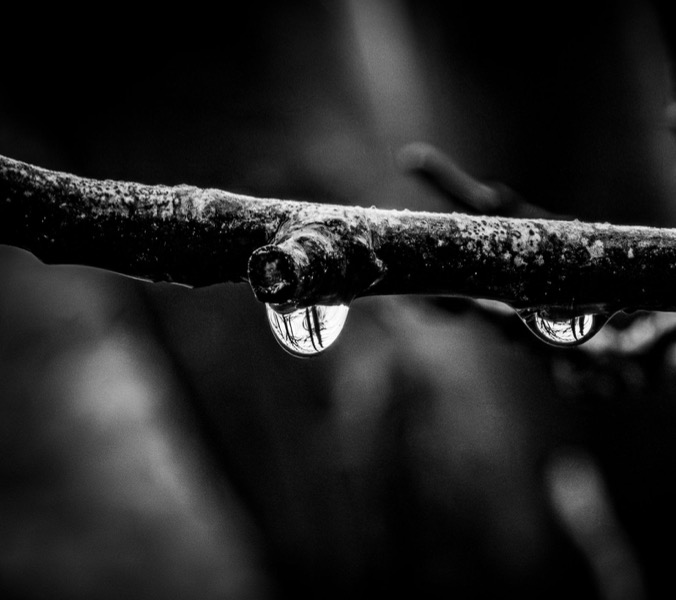
Light plays a crucial role. Side light can reveal texture and structure, while soft diffused light can emphasise form and tone. Many macro photographers favour monochrome because it removes the distraction of colour and draws attention to shape, contrast, and surface detail. In black and white, macro becomes almost sculptural.
Ultimately, macro photography is about curiosity. It rewards patience, observation, and a willingness to see beauty in overlooked places. In a world that often pushes us to look wider and faster, macro gently asks us to do the opposite—to step closer, linger longer, and find meaning in the smallest things.

Light matters more than you think. Natural window light is often perfect for macro, especially when diffused with tracing paper or a sheer curtain. Side lighting helps reveal texture, while backlighting can emphasise edges and translucency. Avoid harsh direct light unless you are deliberately aiming for strong contrast.
Choose simple subjects and clean backgrounds. Macro images are most powerful when distractions are removed and the viewer’s eye is guided to one strong point of interest. Everyday objects, plant details, and worn surfaces can all work beautifully.
Finally, slow down. Macro photography isn’t about chasing shots—it’s about observing, adjusting, and letting small details tell their own quiet story.