
Our Windsor Photographic Society Photowalk on
25th March 2026 was to Brentford Docks.


Brentford Docks is one of those places that quietly reveals itself. At first glance, it feels calm, almost understated—but spend time there with a camera, and layers begin to unfold.
Tucked away where the River Brent meets the Thames, the docks carry a rich industrial past that still lingers in the geometry of the space. Originally a hub of trade and transport, the area has been thoughtfully redeveloped into a residential enclave—but it hasn’t lost its character. For photographers, that tension between old and new is where the real interest lies.
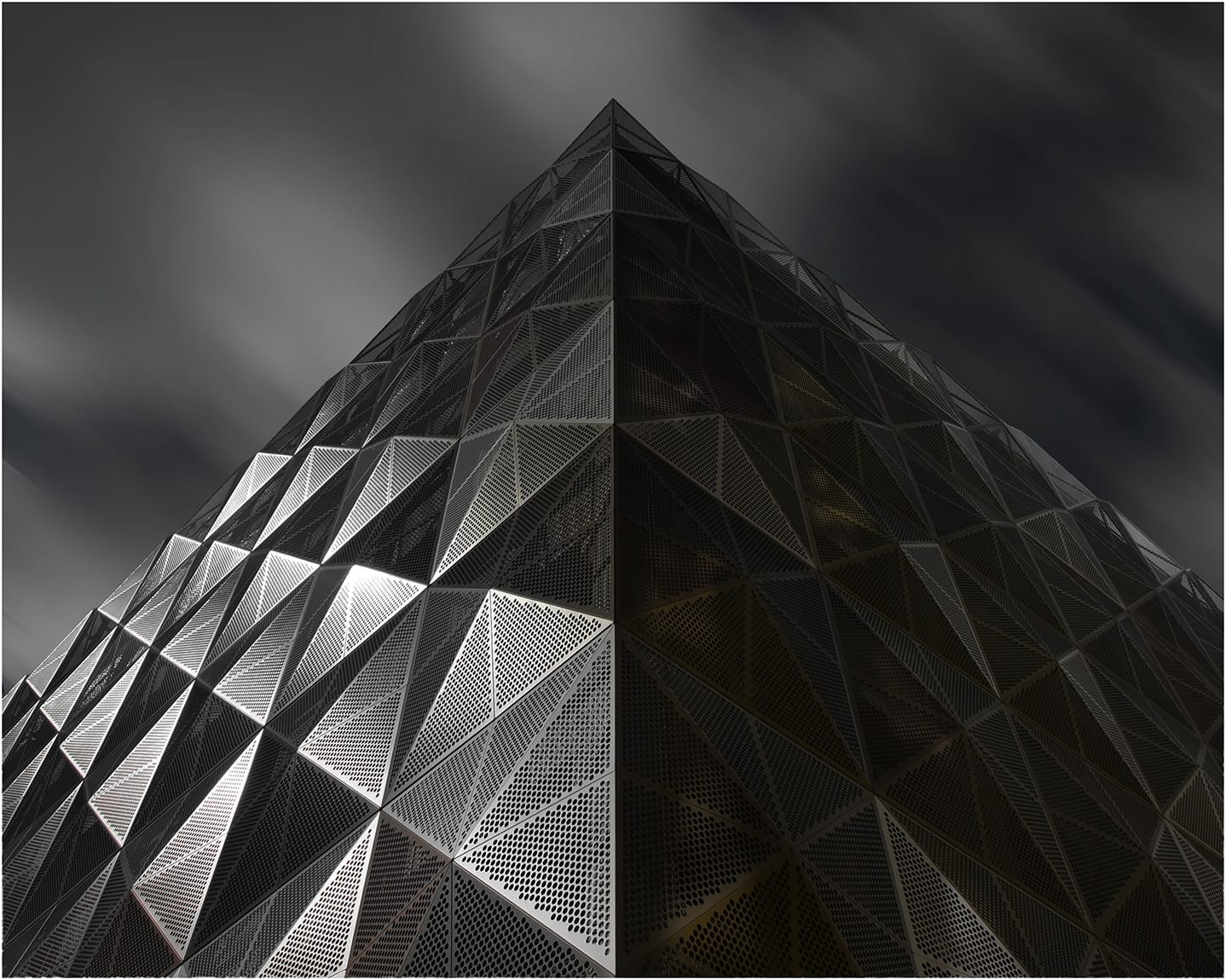
Walking through the docks, the first thing you notice is the structure. Lines are everywhere—railings, walkways, mooring posts, balconies—intersecting and repeating in a way that feels almost designed for monochrome. The water acts as both subject and canvas, reflecting fragments of buildings, sky, and passing boats. On a still day, those reflections become near-perfect abstractions; on a breezier one, they dissolve into impressionistic patterns.
There’s a quiet rhythm to the place. Boats sit moored in orderly rows, their ropes pulling diagonals across the frame. Wooden posts rise from the water like markers of time, weathered and textured, each one telling its own story. These elements lend themselves beautifully to close studies—details that might be overlooked elsewhere become central here.


What makes Brentford Docks particularly rewarding is its subtle juxtaposition. Modern apartment blocks overlook remnants of industrial infrastructure. Clean lines and polished surfaces sit alongside rust, decay, and softened edges. It’s not a dramatic contrast—it’s quieter than that—but it’s exactly the kind of visual dialogue that works so well in monochrome photography.
Light plays an important role too. Early or late in the day, shadows stretch across the walkways and buildings, adding depth and shape. Even under flatter light, the tonal range can be surprisingly rich, especially when focusing on texture—wood grain, peeling paint, ripples in the water. It encourages a slower way of seeing, where composition becomes less about the obvious subject and more about balance, tone, and form.
There’s also a sense of stillness. Unlike busier riverside locations, Brentford Docks feels contained, almost self-contained. That makes it ideal for a photowalk with a purpose—whether you’re exploring a theme like “human traces,” “industrial echoes,” or “quiet geometry.” You’re not overwhelmed with options; instead, you’re invited to look more carefully at what’s already there.
For our group, it became less about capturing landmarks and more about noticing relationships—between lines, between surfaces, between past and present. It’s the kind of location that rewards patience and curiosity rather than speed.


Brentford Docks may not shout for attention, but that’s precisely its strength. It offers a quieter, more contemplative photographic experience—one where the images emerge not from spectacle, but from observation.
Click on each image to see Author


